Notification and Preliminary Calls for Papers
Speakers’ Proposals, Abstracts, Extended Abstracts, Papers, Student Papers, Case Studies, Workshops, Posters, Demo Instructions, Industrial Presentations, Panel Discussions

Speakers’ Proposals, Abstracts, Extended Abstracts, Papers, Student Papers, Case Studies, Workshops, Posters, Demo Instructions, Industrial Presentations, Panel Discussions
The 14th World Congress on Sustainable Technologies (WCST-2024) will be held at the St Anne’s College, University of Oxford, from the 4th to 6th of November, 2024. The WCST-2024 is bridging efforts across the natural, social and engineering sciences, the environment and development of communities. The congress covers a wide spectrum of topics that relate to sustainability, which includes technical and non-technical research areas. It also encourages sharing new knowledge in the field of sustainable technologies and the environmental impacts. The objectives of WCST are to provide the opportunities for collaboration and reflection that have the potential to greatly enhance the infrastructure and capacity for conducting and applying art, science and technology for sustainability.
The WCST-2024 invites research papers that encompass conceptual analysis, design implementation and performance evaluation. The topics include but are not confined to the following areas:


Proposals from those who would like to facilitate a panel discussion are welcomed. The proposals may address any of the topics falling within the scope of the conference themes.
Panel Discussions provide an opportunity for public discussion amongst a selected group of panellists. Central to the success of a panel discussion is the choice of a good topic as the focus for discussion and panellists who bring differing perspectives and are confident in making clear arguments in a live situation. Panels should comprise of three to five scholars who present their arguments; a discussant offers critical comment on the arguments made and the discussion is opened up to the participating audience.
The proposal must include:
Title
Panel Chair(s) (if necessary)
Speakers Name, Affiliation and Email
Scope
Objective and motivation
The WCST-2024 will set aside space for those who wish to pursue discussion of a particular topic or issue. Interested individuals should submit a proposal not more than 400 words, on or before the 1st of March, 2024. In addition, the proposal should indicate the duration of the panel discussion (preferred duration is 1 hour).
All accepted Panel Discussion proposal will be published in the Conference Proceedings. If you are interested in organising Panel Discussion for the WCST-2024, please email your proposal to the pandis@wcst.org. Submissions should be in MS Word format.
You can submit a research paper, case study, work in progress and report for virtual presentation under the open call for papers Online
The WCST-2024 invites speakers to share their knowledge on issues or subject matters of the research work. To be a session speaker, you need to email the:
Presentation Title
Scope (300 words)
Objective and Motivation (200 words)
Name, Affiliation and Email
If you are interested in giving a talk without submitting a paper, please email your proposal to the speakers@wcst.org before the 15th of May, 2024. The proposal will be reviewed by the Steering Committees. After acceptance, you will receive a feedback on any modification required. All accepted proposals will be published in the proceedings.
All the accepted papers will appear in the proceedings and modified version of selected papers will be published in special issues peer reviewed journals and book chapters.
Undergraduates, Graduates/Postgraduates, researchers and Professionals who are working or studying any of the topics area within the remit of the WCST.
Professionals and researchers responsible for sustainability and sustainable technologies governance, sustainable security, researchers in organizations that deploy compliance of sustainability standards and guidelines. Developers of sustainability standards and guidelines for a private and public sectors.
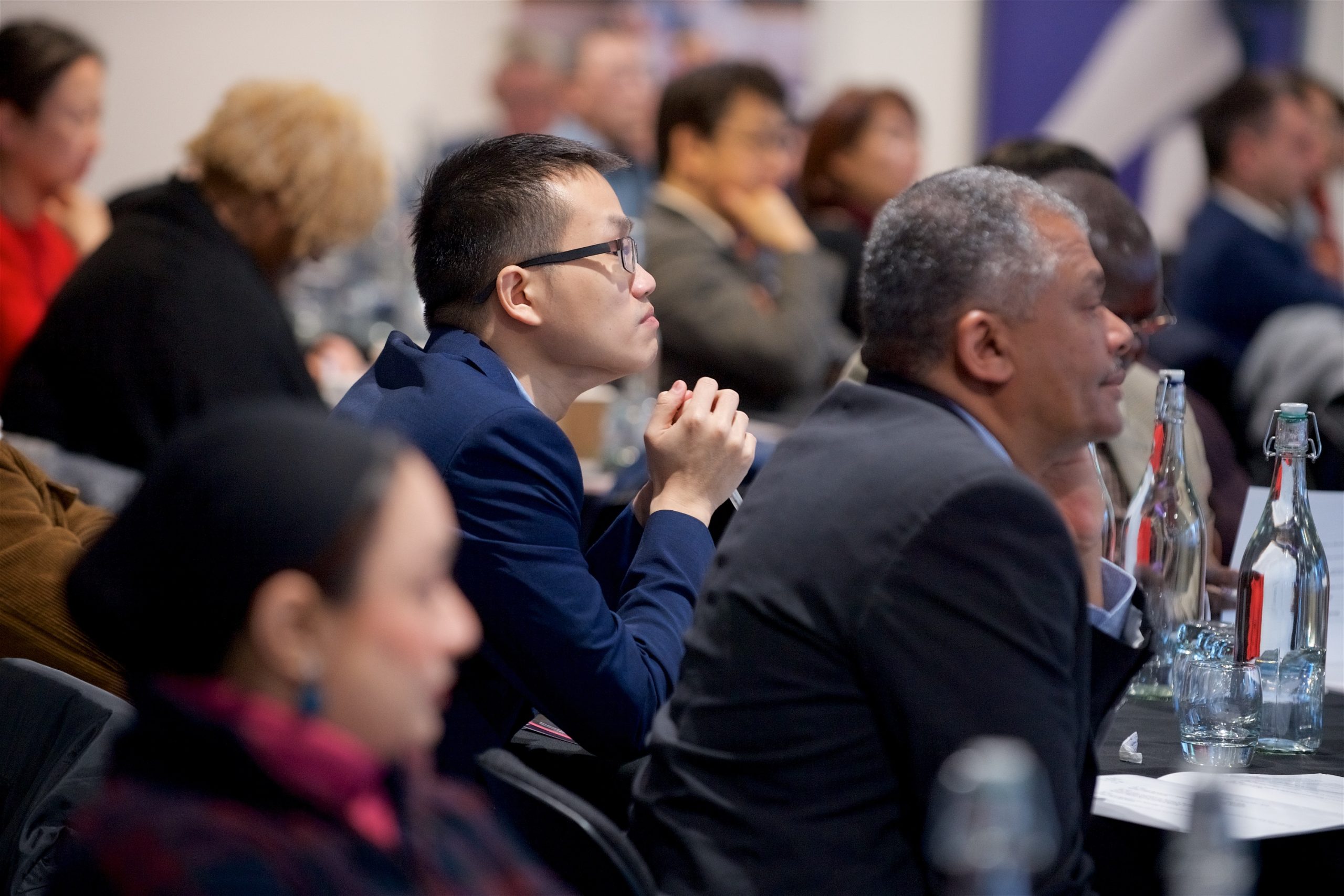


The carbon and emission engineers, renewable energy managers, sustainable building designers, green computing specialists, waste management engineers, automation and control project managers, sustainability auditors, compliance officers, critical infrastructure protection specialists; vendors and assessors of sustainable technologies solutions.